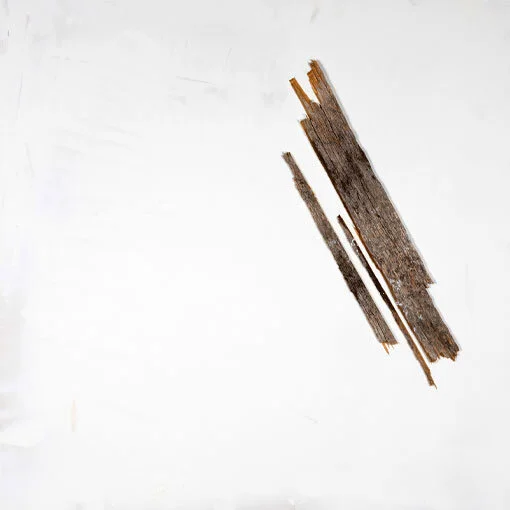
Fractured #1 – 2018: 24x24 Mixed Media on board
Fractured.
Shapes of Transcendence

Shapes of Transcendence Blue Ball 24_Mousa_2024_36x36_Oil,Gesso, On Canvas
American Landscapes.

American Landscape 45 – 2012: 65x54, oil on canvas
Portraits in Abstraction

Man with white beard_30.5"X44"_Mousa_2021_Mixed Media On Paper
Birds Without Wings/Rhythm of Life.

Birds Without Wings 7 – 2017: 20x16, ink on paper
Veil of Ignorance.
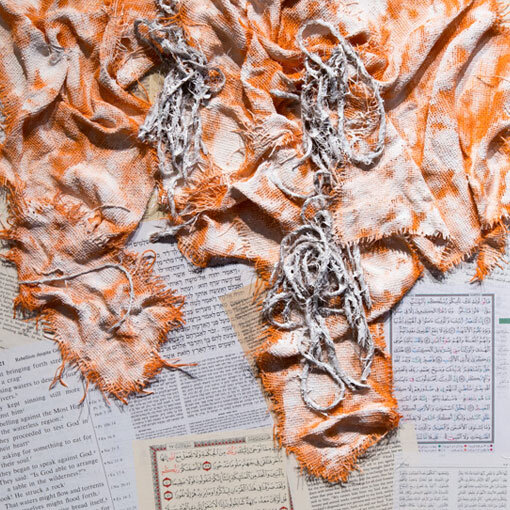
Veil of Ignorance 19 – 2016: 22x28, pages of Bible, Koran, Torah, gesso, acrylic, burlap on canvas
Transcendence.

Transcendence Orange and Green – 2017: 72x72, acrylic on canvas
Released under: CC BY-SA 4.0.
Conceal/Reveal.

Conceal Reveal 12 – 2017: 72x72, acrylic on canvas
The Expressive Power of a Syrian American Contemporary Abstract Artist: Nabil Mousa
Nabil Mousa is a powerful voice in the world of abstract art, known for creating deeply emotional and socially aware works. As a Syrian American Contemporary Abstract Artist, Mousa brings a distinctive perspective that reflects both his heritage and lived experience in the United States. His art isn’t just visual—it’s conceptual, filled with symbolism and stories that go beyond the surface.
Mousa’s creative process is rooted in intuition, often guided by emotion and cultural memory. Working with materials such as encaustic wax, recycled fabric, and layered pigment, he constructs artworks that embody complexity and movement. Each piece invites the viewer to consider questions of faith, personal identity, and the politics of belonging. As a Syrian American Abstract artist, Mousa paints not only what he sees, but what he feels—about migration, acceptance, and the ever-changing definition of home.
What distinguishes him as a Syrian American Contemporary Abstract Artist is his ability to merge abstraction with meaning. His canvases aren’t random splashes of color; they are deliberate, poetic reflections of the tensions and harmonies between his Middle Eastern roots and American upbringing. Through his art, Mousa often addresses themes that many shy away from, including LGBTQ+ identity within Arab communities, religious conflict, and cultural displacement.
The influence of this Syrian American Abstract artist continues to grow, with exhibitions across the U.S. and recognition from collectors and institutions who value both artistic excellence and narrative depth. His work reminds us that abstraction can be a powerful tool—not just for aesthetic exploration, but for emotional truth and cross-cultural dialogue.